December 2025 Manuscript Auctions Retrospective
Visual Art trumps Context
December is historically a very soft month for auctions, and where the really weird manuscript leaves come to auction. December 2025, however, saw more activity from auction houses compared to previous years and with a noticeably sharp divergence in collector interest between manuscripts/fragments “as art” vs. scholarly pieces that .
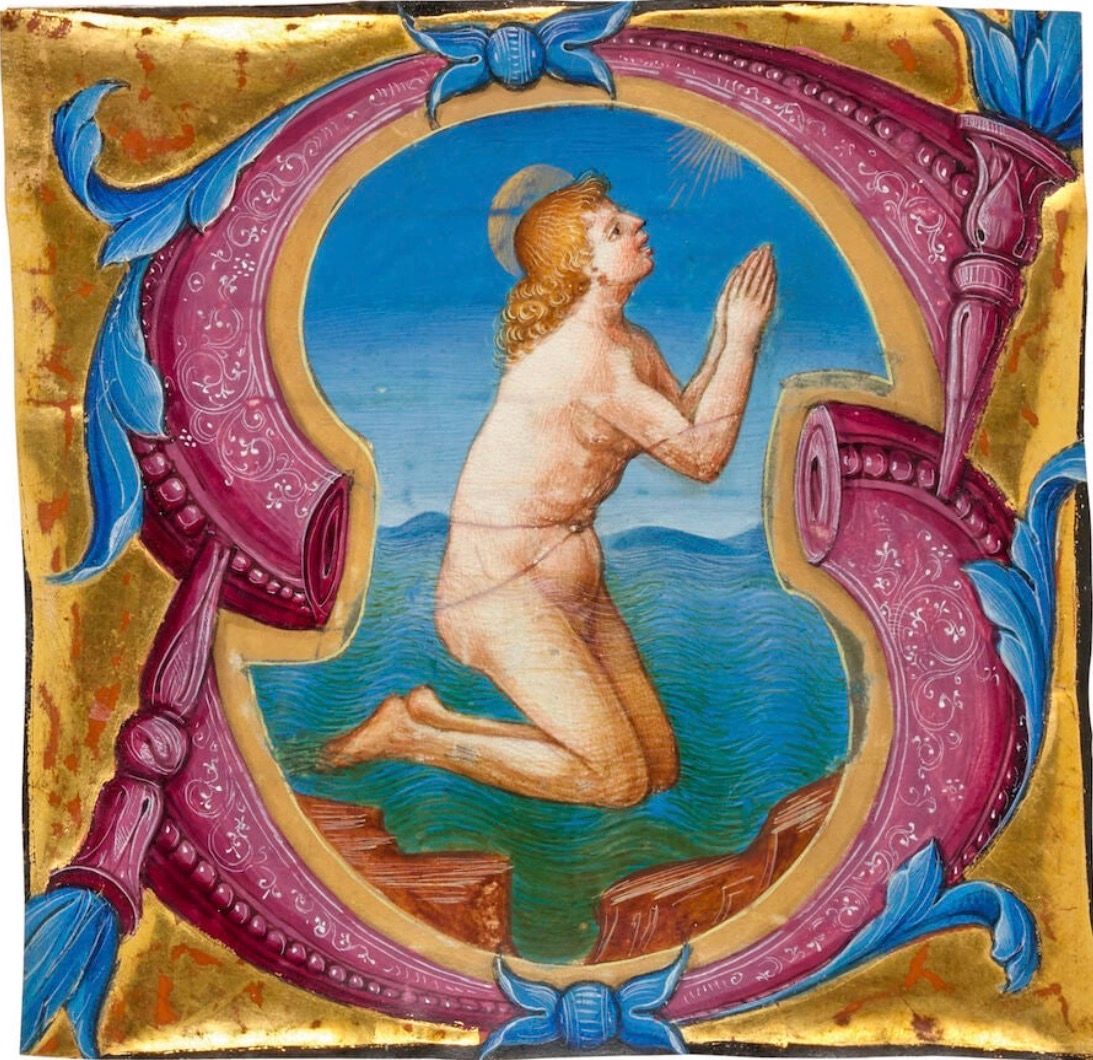
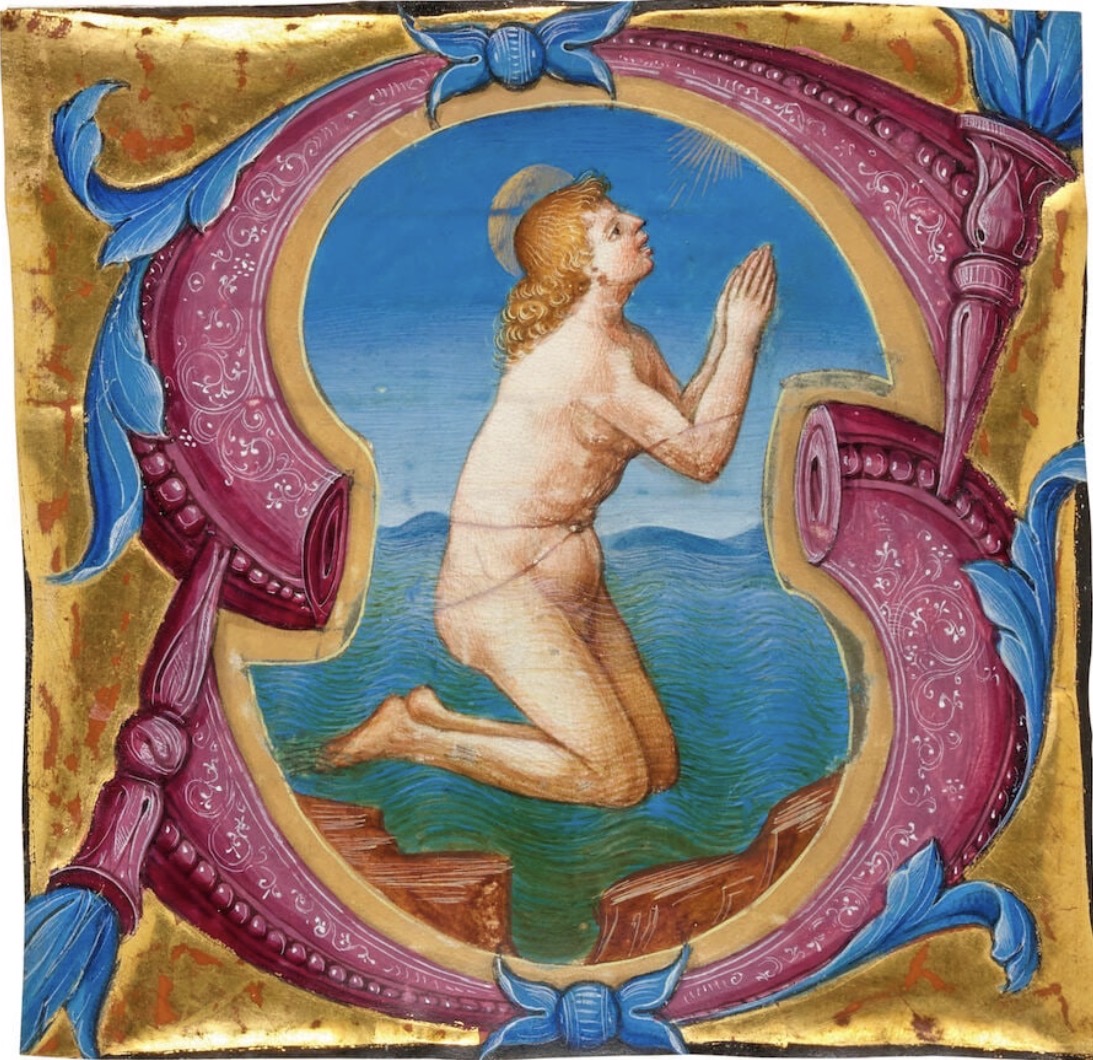
More specifically, a few Northern Italian illuminations have sold at reasonable/high prices with determined bidders: an initial “N” securely attributed to Girolamo Dai Libri (€30,000 hammer, or ~$49,000 USD all-in) offered by Prunier, and an initial “S” depicting King David in prayer in the water attributed to Liberale da Verona ($18,000 hammer, or $23,000 all-in) offered by Bonham’s.
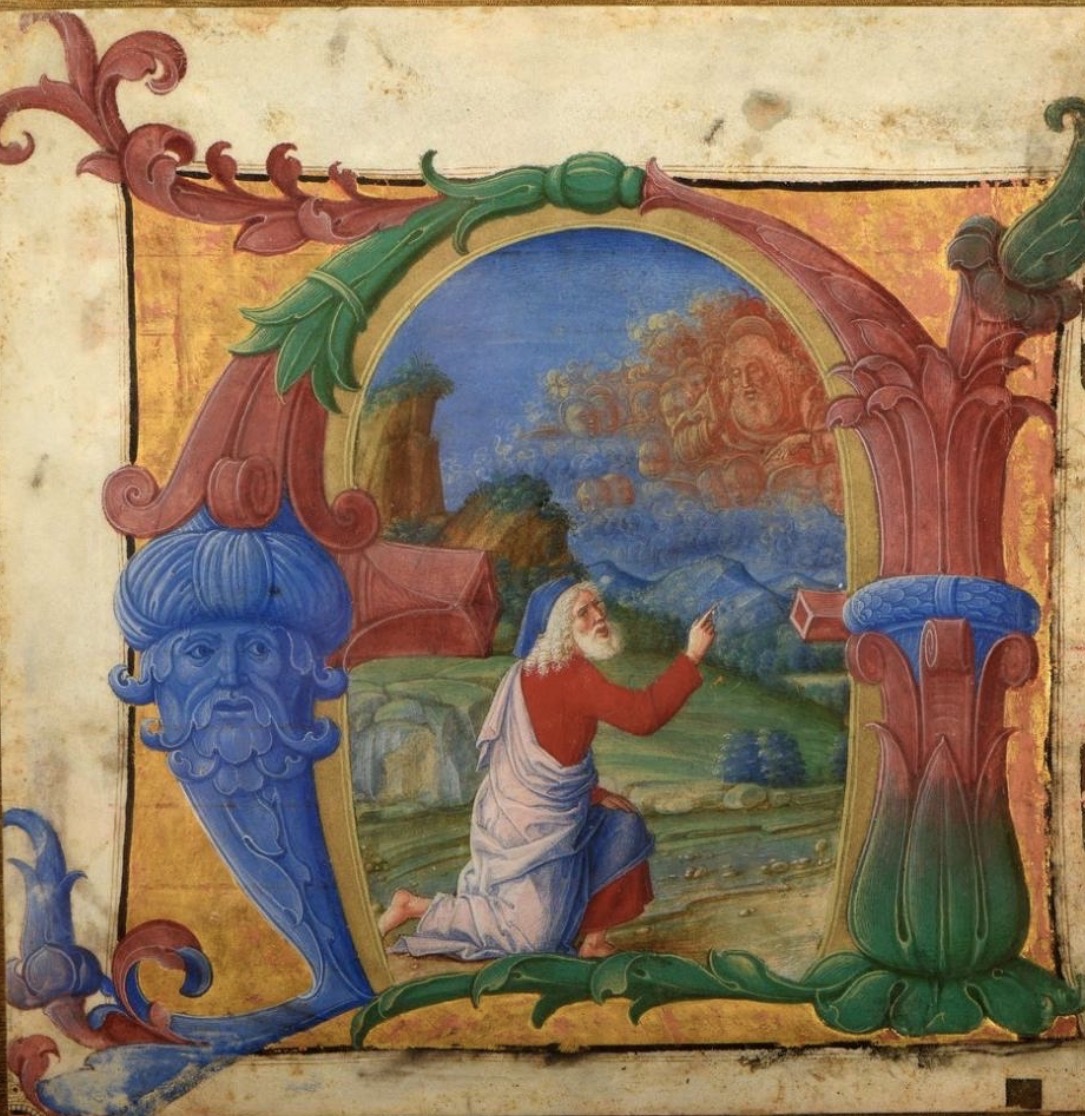
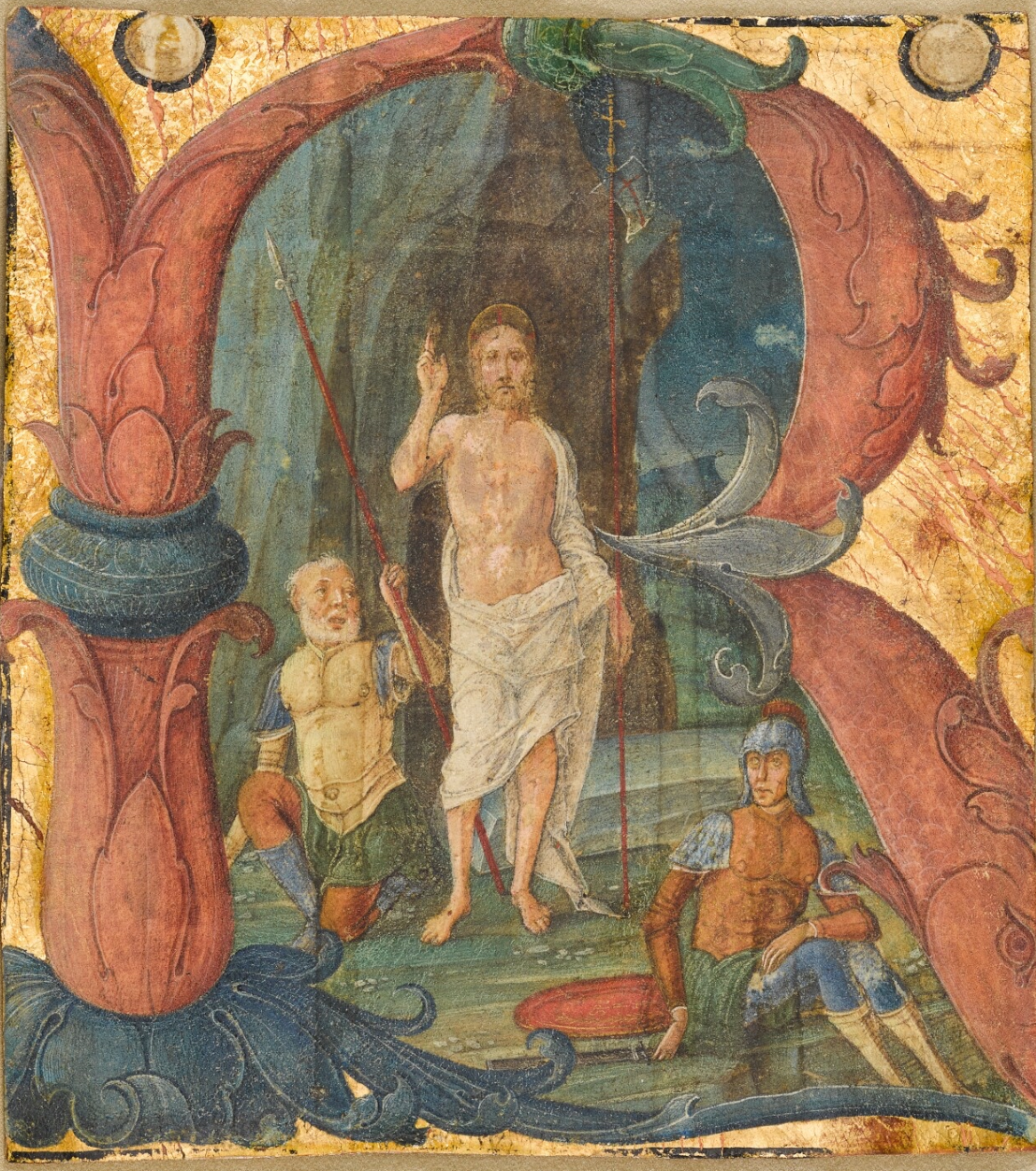
The only exception being a Crivelli initial “R” depicting Jesus’ Resurrection which was offered unsuccessfully at auction twice this year and once in 2024 as a headliner piece at Bassenge. This was one of three illuminated pieces at the Sotheby’s Western Illuminated Manuscripts December 9 sale that did not receive a single bid (not counting items with starting bids >£100,000). This piece is independently quite interesting and worthy of a dedicated post.
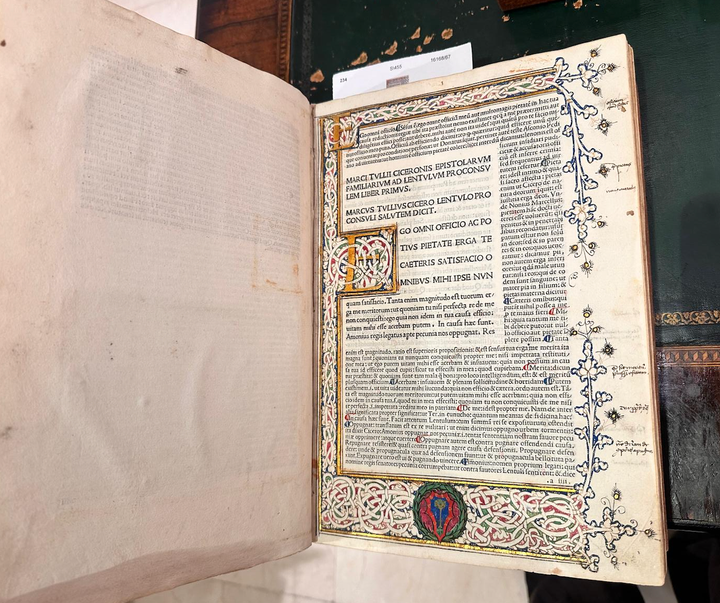
I was also surprised to see that a very rare German Book of Hours from the Sotheby’s auction did not sell either! Despite receiving academic interest, its text-density and lack of illuminated initials further proves that the market continues to reward autograph Renaissance illuminations and punishes text or context-heavy manuscripts. (Rare or intellectually interesting does not translate to recognized value unfortunately.)
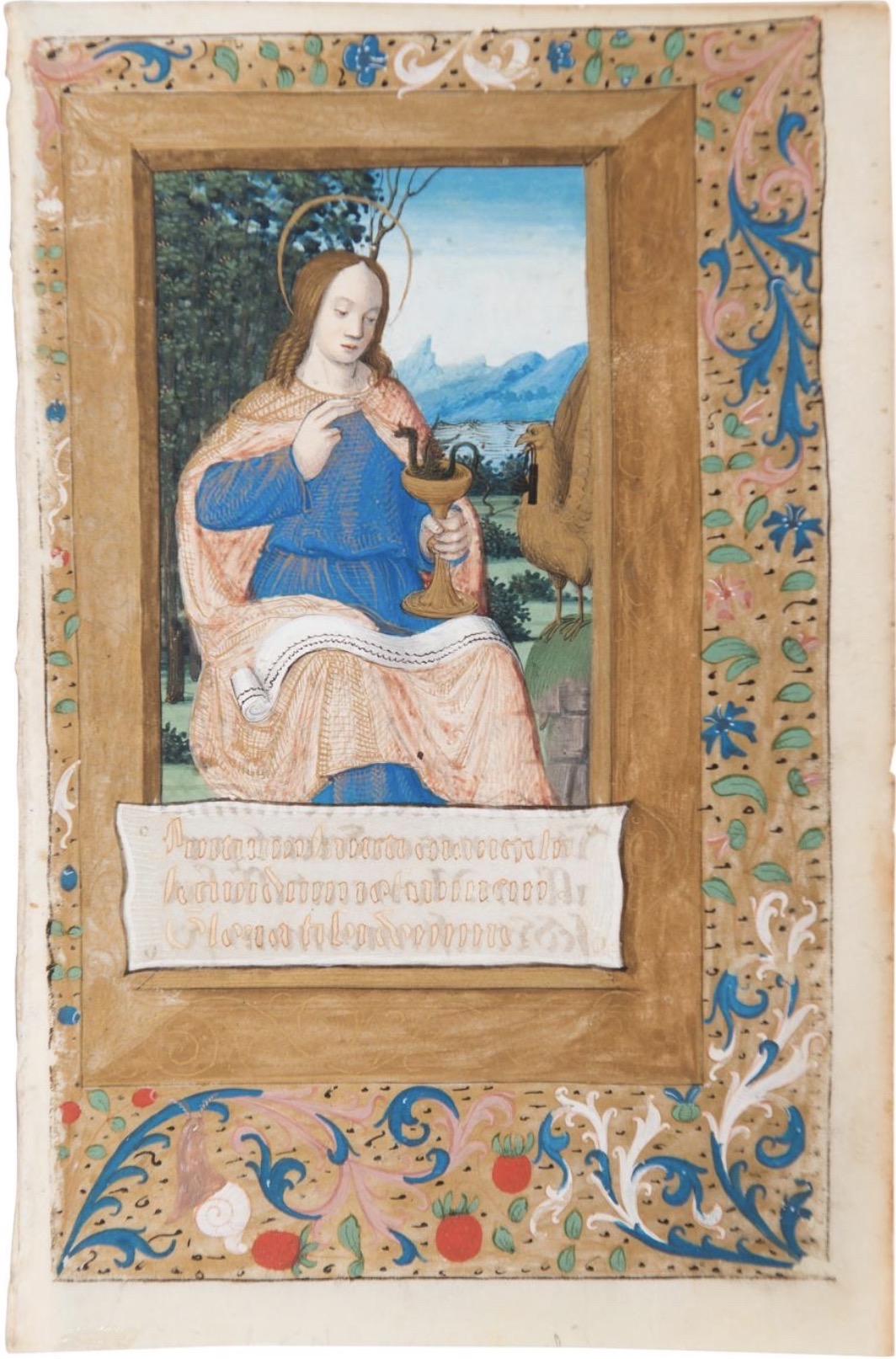
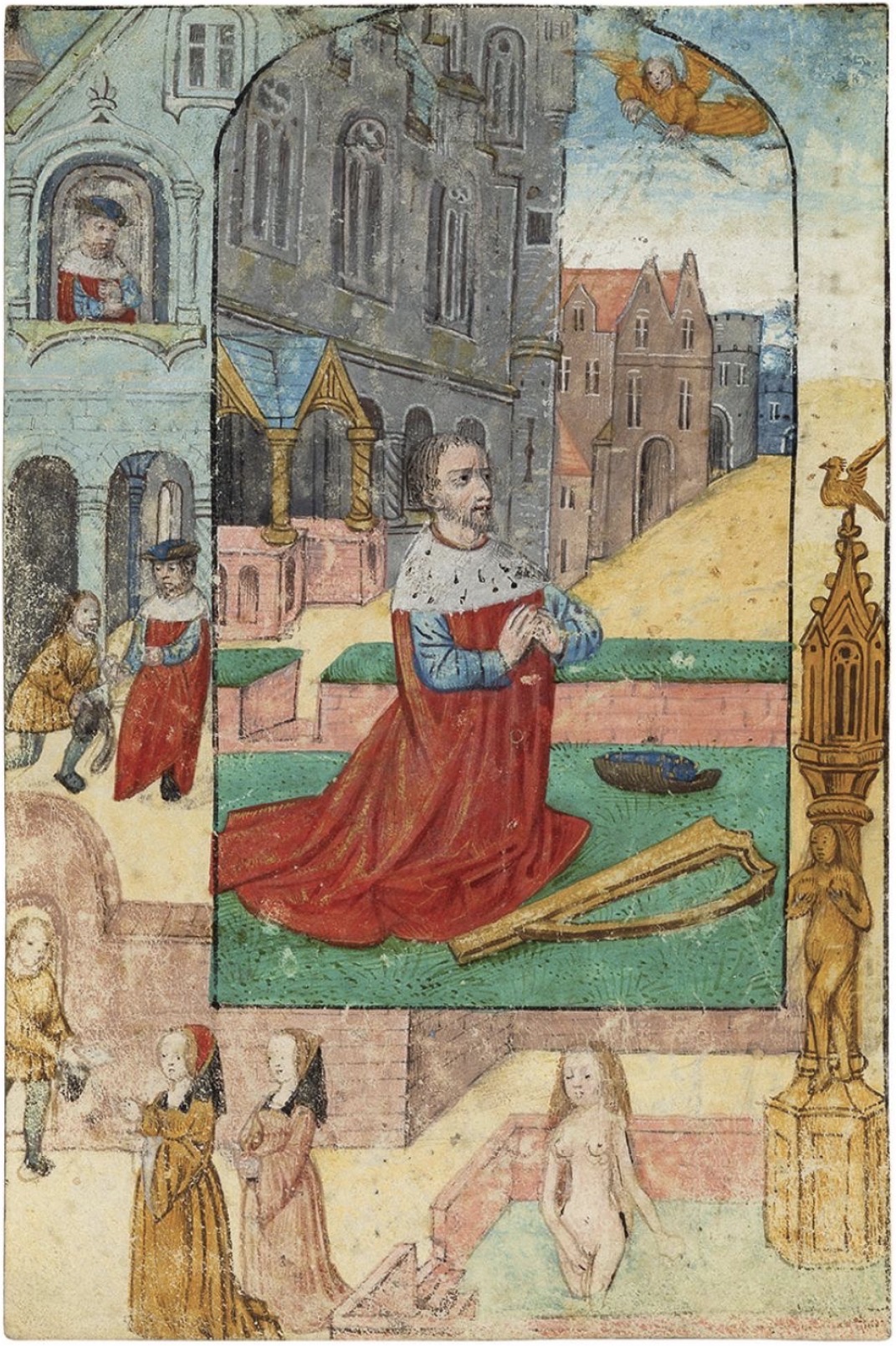
Two Book of Hours leaves went up for auction and sold: A leaf depicting St. John the Evangelist “attributed to Jean Bourdichon” offered by La Suite Subastas and an unattributed full-page miniature depicting scenes from King David and Bathsheba offered by Aguttes were both sold at €2,000 hammer - each only received 1 bid. (Fun fact, the David and Bathsheba leaf was previously owned by Flickr user and collector “RMGYMss.” as of 2013.) The Bourdichon leaf is very high quality, and certainly the Bourdichon connection, even workshop, carries a premium (this is worthy of a future blog). The David and Bathsheba leaf, though unattributed and with imperfections (potential touch-ups in the 19th century, etc.), carries an exceptionally rare Flemish-style border narrative and featured contemporary architecture. It is no doubt there was interest simply for their visual features.
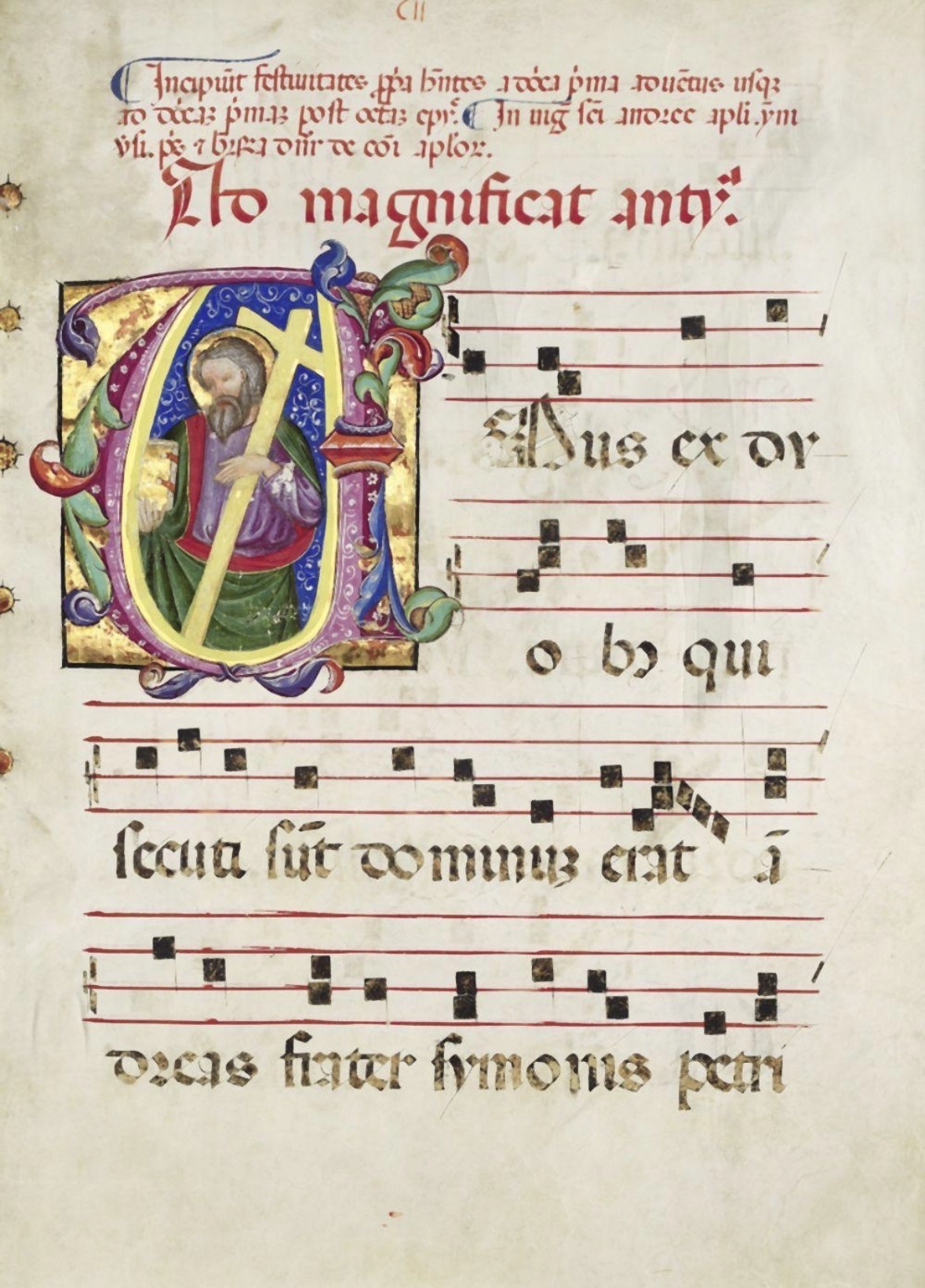
St. Andrew “U” antiphonal initial: fails to sell for a second time, despite headlining Jeschke Jádi’s earlier October auction. This piece has previously been sold by bookseller Tom Ayling (awesome YouTube channel btw!) via private sale. Based on quickness to market, I speculate the acquirer tried to flip it. The starting bid was not unreasonable, in the €2,000-€2,500 range. I’m led to believe the lack of engagement was directly impacted by the lack of a named illuminator and a prior failed offering.
It’s no surprise collectors have a proclivity towards named illuminators, especially transitional Renaissance painters/illuminators, and December 2025 underscores the strength of this preference. Additionally, the market is observed to exhibit reflexive behavior. Pieces that fail at auction tend to experience a “death spiral” and future bidders seem to lose confidence in the piece, thus compounding demand deterioration. This dynamic opens a risk/reward opportunity for well-informed collectors.
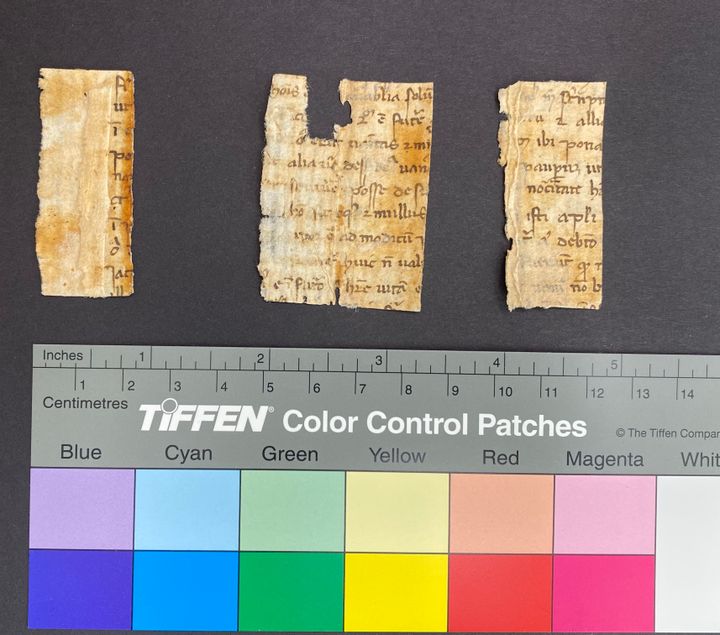
However, it is worth noting pre-1200s and notable manuscript fragments (Whitby Psalter-tier) continue to sell consistently with very little disruption or volatility.
Corrections: Upgraded my opinion and attribution of the Jean Bourdichon leaf and resulting comparisons. Does not change the message or context of this blog.